hello@sevencontext.com@sevencontext

Build from context.

We make technical decisions from the problem, its constraints and the systems already in place.

  • Systems should work together.
  • Some complexity is necessary. The rest can go.
  • Every request is a hypothesis.

We start by testing it.

What we do

Discovery
Before building, reduce uncertainty.
We map the processes, systems, data and risks until the problem is clear enough to design for.
Consulting
Sometimes the right outcome is a better decision, not more software.
We help organisations make technology decisions before building anything.
Systems
An application is rarely the whole problem.
We study how tools, data, people and processes fit together.
Integrations
A good integration is one that survives real conditions.
We connect existing tools through APIs and webhooks, with retries and reconciliation for when something fails.
Software
Software that can change when the business does.
We build software for the processes your current tools don’t handle well.
Web
The web is often the visible interface of a larger system.
We build web interfaces as part of the systems behind them.
Security
Security should be designed before it is urgently needed.
We consider authentication, access, credentials and recovery from the first design.

How we work

Understand the context. Explore the options. Design the right system. Build it properly. Connect it to reality. Evolve it with evidence.

Understand

Understand the problem before proposing a solution.

Do we understand the problem well enough to explore solutions?

Explore

Explore the viable paths, build or buy, and recommend one.

Is there a clear direction, with its trade-offs understood?

Design

Design the architecture, contracts and flows before writing production code.

Can we build without improvising the fundamentals?

Build

Build working software in visible increments.

Is this part complete and verified?

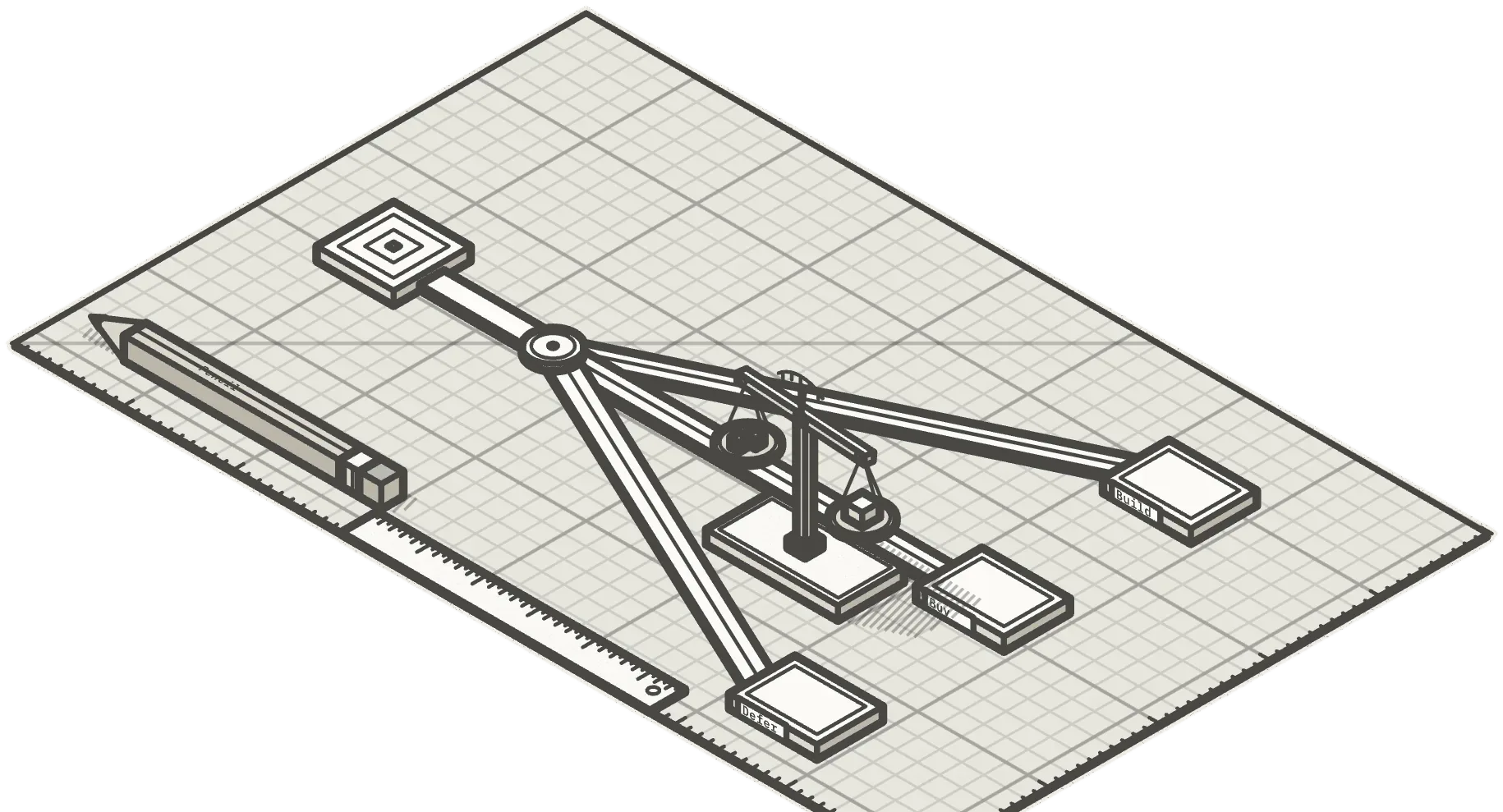
During Build, a provider limitation appears. We go back to Explore, choose again and carry on.

Connect

Connect it to your real systems, failures included.

Will it hold up when a provider fails?

Evolve

Evolve it with evidence from how it’s used.

What should change next?

Understand

Understand the problem before proposing a solution.

Do we understand the problem well enough to explore solutions?

Explore

Explore the viable paths, build or buy, and recommend one.

Is there a clear direction, with its trade-offs understood?

Design

Design the architecture, contracts and flows before writing production code.

Can we build without improvising the fundamentals?

Build

Build working software in visible increments.

Is this part complete and verified?

Connect

Connect it to your real systems, failures included.

Will it hold up when a provider fails?

Evolve

Evolve it with evidence from how it’s used.

What should change next?

That’s the process working.

We don’t start with technology. We start with the problem.

  • PROBLEM

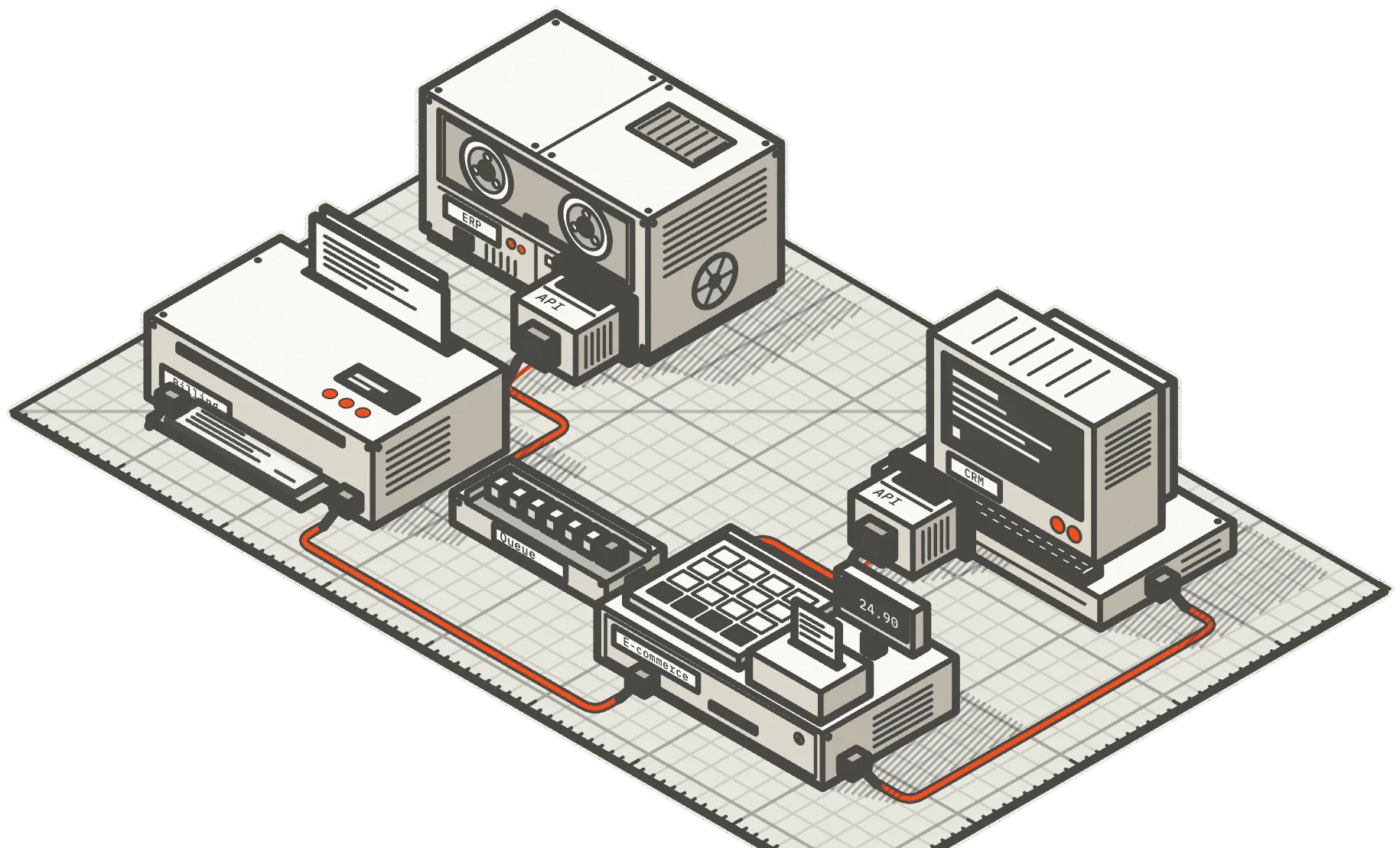
    Systems that don’t work together

    • Study system roles and data ownership
    • Define integration patterns and recovery logic
    • Build APIs, webhooks, sync flows and monitoring

    Each system owns its data and the others sync from it, so nobody copies information between tools by hand.

  • PROBLEM

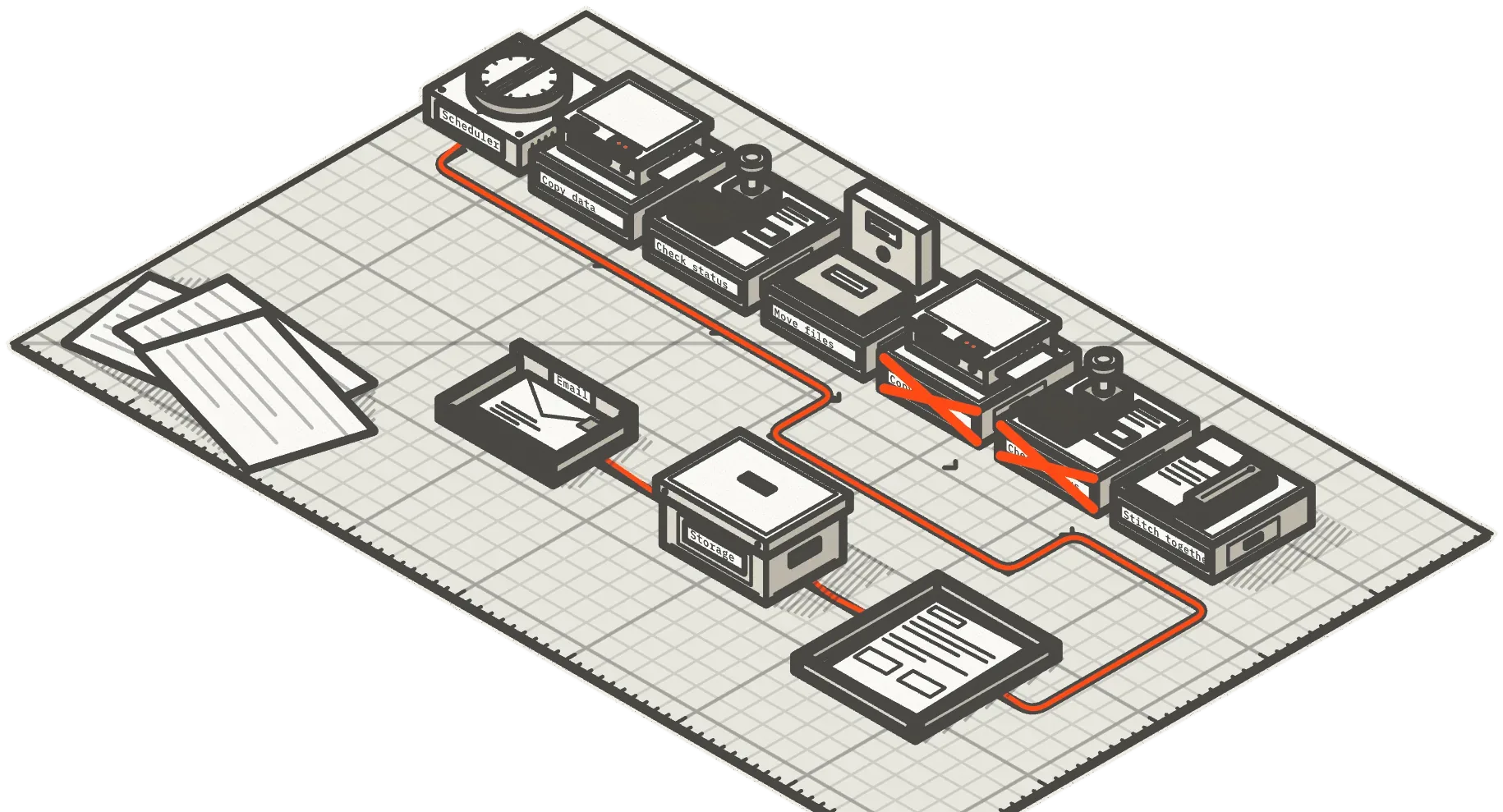
    Processes that are too manual

    • Analyse the real workflow first
    • Keep the decisions that need a person; remove the repetition
    • Build software, workflows or integrations that remove friction

    We fix the process first. Automating a broken one only makes it fail faster.

  • PROBLEM

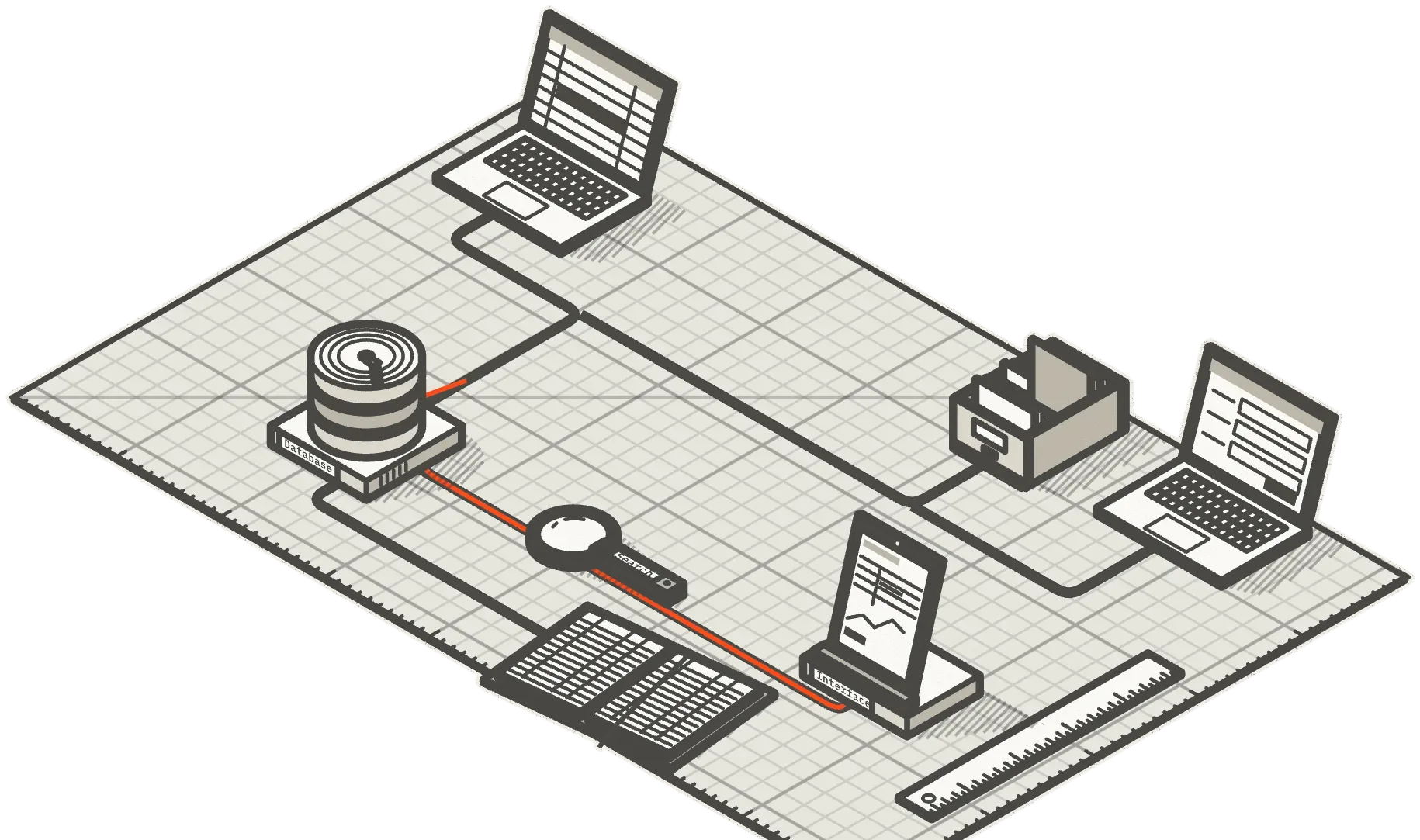
    Scattered or inconsistent data

    • Study data ownership and update logic
    • Design consolidation and access patterns
    • Build the data flows, reconciliation and access the team needs

    One version of each record, kept up to date, that the team can trust when deciding.

  • PROBLEM

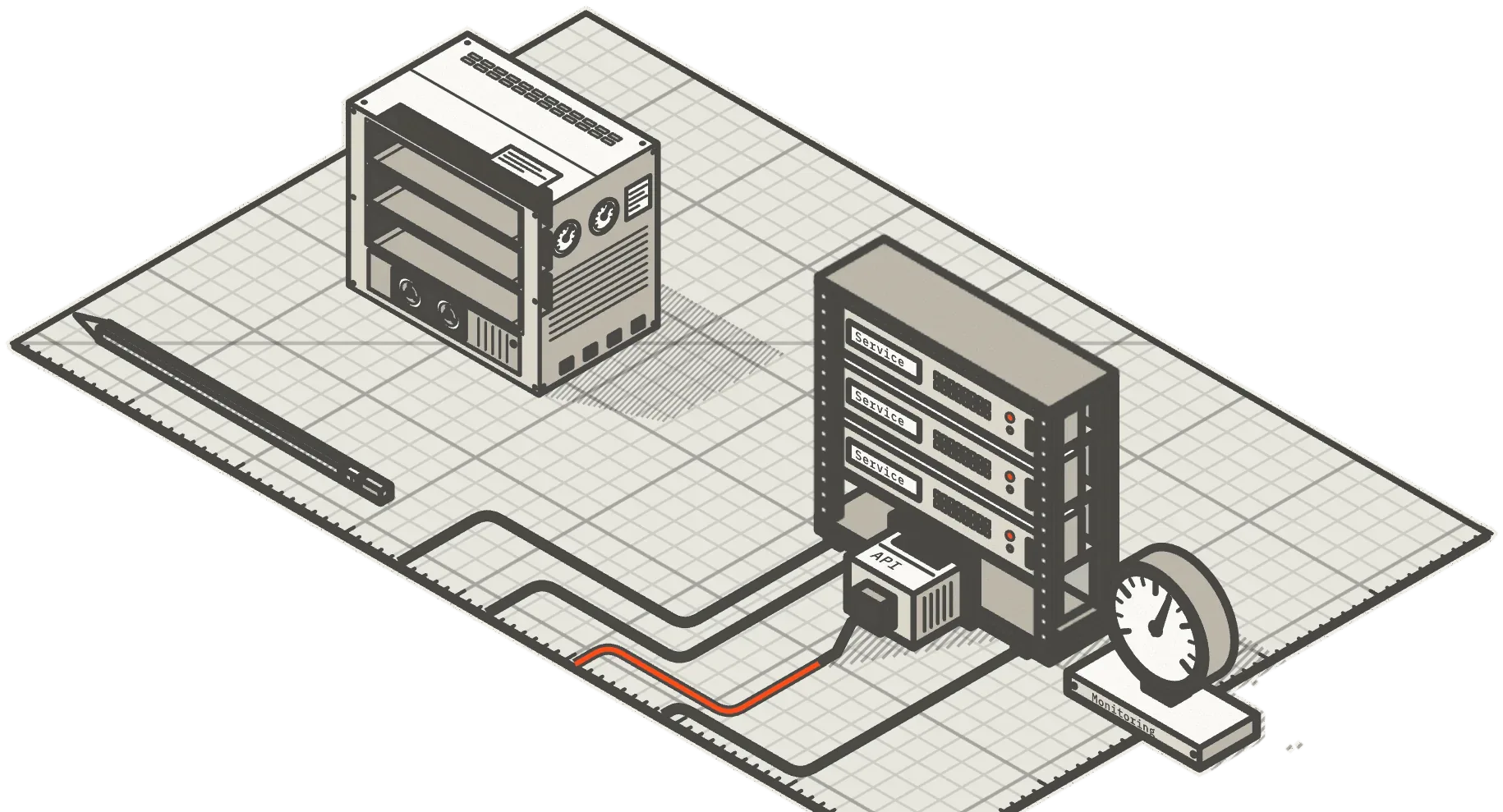
    Legacy technology that limits the business

    • Assess architecture and dependencies
    • Evaluate risks and technical debt
    • Modernise progressively through refactoring, migration or service extraction

    Old software isn’t replaced by default. We modernise the parts that hold the business back.

  • PROBLEM

    Not knowing what technology to choose

    • Review the architecture and what’s already in place
    • Compare cost, risk and fit
    • Recommend one path and say what it gives up

    A good outcome may be a decision not to build.

  • Systems that don’t work together

    Connected, with one owner for each piece of data.

  • Processes that are too manual

    Redesigned first, then supported by technology.

  • Scattered or inconsistent data

    Turned into data you can work and decide with.

  • Legacy technology that limits the business

    Made useful again, without a full rewrite.

  • Not knowing what technology to choose

    Becomes a clear decision, sometimes not to build.

That’s the process working.

Tell us what’s not working and what you’ve already tried.

Hi, I’m from .What’s not working is You can reach me at .

Open in your email

We only use this to reply to you. Privacy